
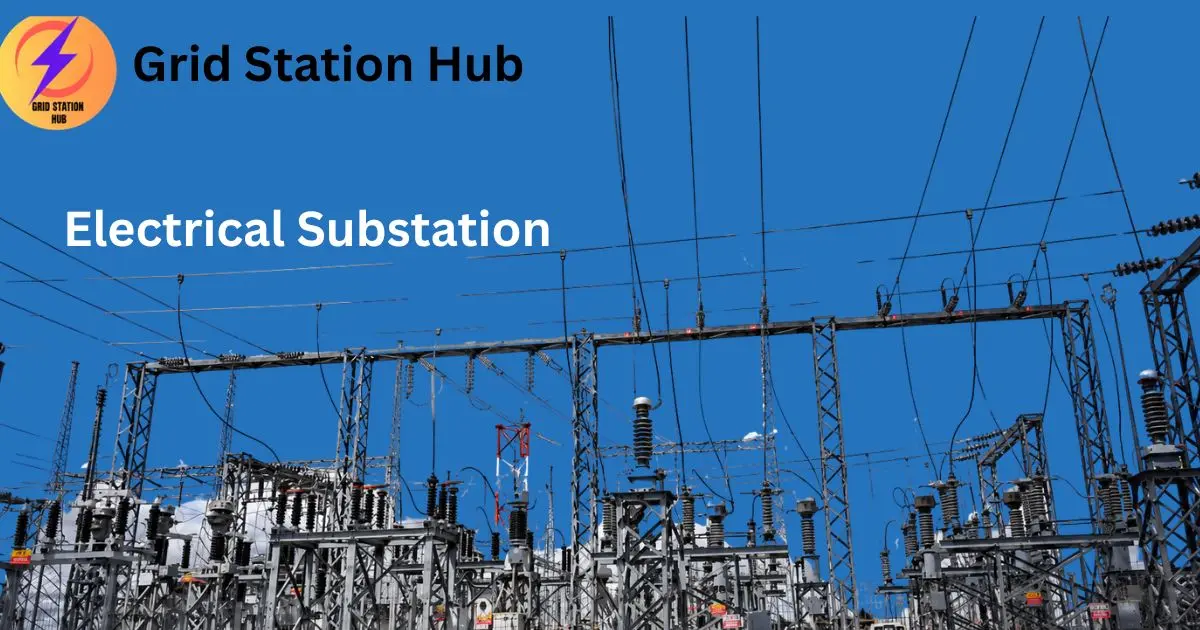
Electricity travels a long journey before it reaches homes, industries, schools, and hospitals. One of the most important parts of this journey is the electrical substation.
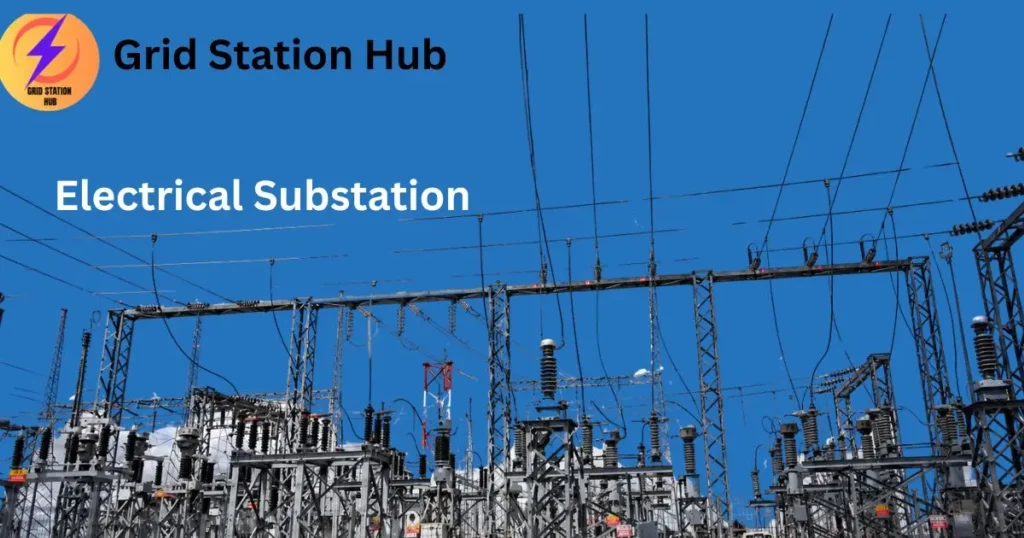
An electrical substation controls the flow of electrical power. It adjusts voltage levels, protects equipment, and helps maintain the stability of the power system.
For students, technicians, and engineers, learning about substations is very important. Whether you work in power generation, transmission, distribution, testing, or maintenance, substation knowledge is a basic skill in the electrical industry.
This guide explains substations in simple language with practical insights from real industry work.
What Is an Electrical Substation?
An electrical substation is a part of the electrical power system where voltage is transformed from one level to another.
Substations also:
- Protect electrical equipment
- Control power flow
- Monitor system performance
- Isolate faulty sections
- Improve power reliability
Without substations, modern power transmission would not be possible.
Electricity generated at power plants must travel long distances. High-voltage transmission reduces energy loss. Substations increase voltage for transmission and reduce it again for safe use.
Why Electrical Substations Matter
Electrical substations are the backbone of every power grid in the world.
According to the International Energy Agency, global electricity demand continues to grow every year because of:
- Population increase
- Electric vehicles
- Data centers
- Industrial growth
- Renewable energy systems
This growing demand makes substations more important than ever.
Substations help:
- Reduce transmission losses
- Maintain voltage stability
- Prevent equipment damage
- Improve power reliability
- Support renewable energy integration
Even a small substation failure can affect thousands of consumers.
Main Types of Electrical Substations
Different substations perform different jobs in the power system.
Step Up Substation
A step-up substation increases voltage from the generating station.
Example:
A generator may produce electricity at 11 kV. The substation increases it to 132 kV or higher for transmission.
Higher voltage means lower current and lower transmission losses.
Step Down Substation
A step-down substation reduces voltage for distribution systems.
This allows electricity to be safely used in homes and industries.
Distribution Substation
Distribution substations supply power directly to local areas.
These substations are commonly found near cities and industrial zones.
Switching Substation
A switching substation controls power flow between transmission lines without changing voltage levels.
These substations improve grid flexibility and reliability.
Major Equipment Used in an Electrical Substation
Each substation contains important electrical equipment. Every device has a specific role.
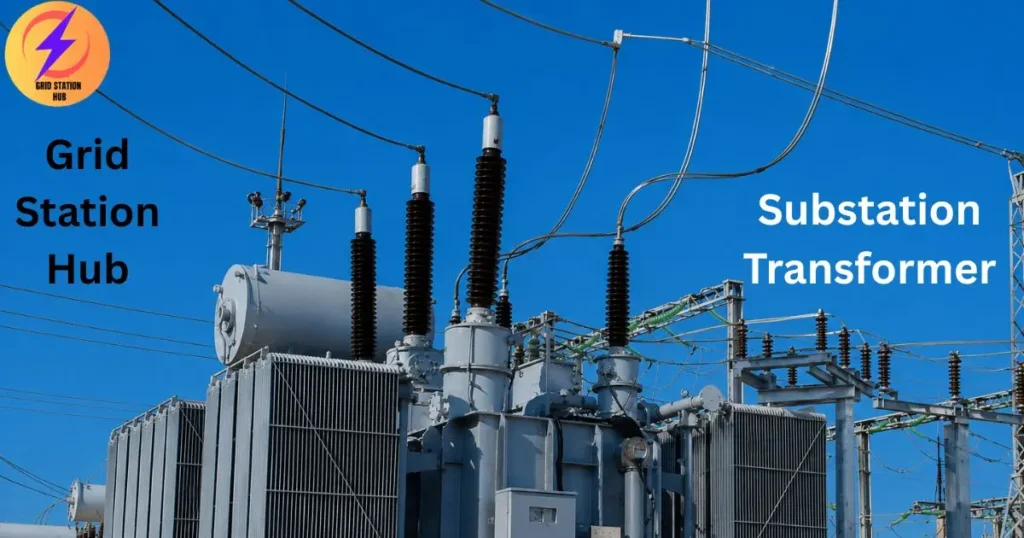
Power Transformer
The power transformer is the heart of the substation.
It changes voltage levels between transmission and distribution systems.
Large transformers can handle hundreds of megavolt-amperes.
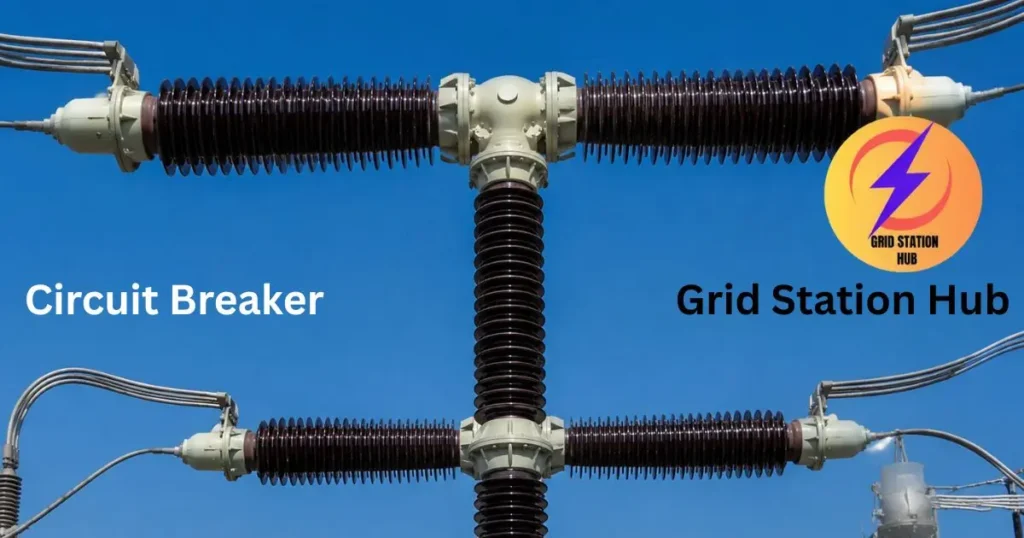
Circuit Breaker
A circuit breaker protects the power system during faults.
It interrupts fault current automatically to prevent equipment damage.
Modern substations mainly use the following:
- SF₆ circuit Breakers
- Vacuum Circuit Breakers
- Oil Circuit Breakers
- Air Blast Circuit Breakers
Current Transformer
A current transformer, also called a CT, reduces high current to safe, measurable values.
Protection relays and meters use CT signals.
Potential Transformer
A potential transformer, or PT, reduces voltage for measuring and protection systems.
Isolator
An isolator disconnects equipment during maintenance work.
It operates only when the current flow is already interrupted.
Lightning Arrester
Lightning arresters protect equipment from surge voltages caused by lightning strikes.
Busbar
A busbar is a common electrical connection point inside the substation.
It connects incoming and outgoing circuits.
How an Electrical Substation Works
The operation of a substation follows a simple sequence.
Electricity enters through transmission lines.
The transformer changes voltage based on system requirements.
Protection relays continuously monitor:
- Current
- Voltage
- Frequency
- Fault conditions
If a fault occurs:
- The relay detects abnormal conditions
- The circuit breaker trips
- The faulty section is isolated from the system
This process protects expensive equipment from severe damage.
Real Brand Case Study from Siemens Energy
Siemens Energy has developed several digital substations worldwide using smart monitoring systems and automation technologies.
One major project involved advanced digital substations that improved the following:
- Fault detection speed
- Remote monitoring
- Maintenance planning
- Grid reliability
The project showed how modern substations can reduce operational downtime and improve system efficiency.
Digital monitoring also helps engineers detect problems before major equipment failure happens.
This reduces maintenance costs and improves safety.
Common Problems in Electrical Substations
Substations face many operational challenges.
Understanding these problems helps engineers improve reliability.
Transformer Overheating
Overloading and cooling system failure can increase transformer temperature.
Excess heat damages insulation and shortens transformer life.
SF6 Gas Leakage
SF6 circuit breakers may develop gas leakage over time.
Low gas pressure affects breaker performance.
Relay Maloperation
Wrong relay settings can cause:
- False tripping
- Failure to trip
- Protection coordination problems
Routine relay testing is necessary.
Moisture in Transformer Oil
Moisture reduces insulation strength inside transformers.
Oil testing helps identify this issue early.
Importance of Maintenance in Substations
Good maintenance improves equipment life and reduces failures.
Substation maintenance usually includes:
- Visual inspection
- Relay testing
- Transformer oil testing
- Circuit breaker timing tests
- Battery bank testing
- Thermography inspection
Preventive maintenance costs much less than emergency repair.
Utilities around the world now focus more on predictive maintenance using digital monitoring systems.
Substation Safety Practices
Substations are high-voltage areas. Safety rules are extremely important.
Basic safety practices include:
- Proper grounding
- Lockout and tagout procedures
- Personal protective equipment
- Safe isolation methods
- Arc flash protection
- Clearance verification
Even experienced engineers follow strict safety procedures before working on equipment.
Modern Trends in Electrical Substations
Substations are becoming smarter and more automated.
Modern substations now use the following:
- Digital relays
- IEC 61850 communication
- SCADA systems
- Remote monitoring
- Intelligent electronic devices
Renewable energy systems also increase the demand for advanced substations.
Solar and wind power require flexible grid control and better protection systems.
Artificial intelligence and predictive monitoring are expected to improve substation reliability even further in the future.
Skills Every Substation Engineer Should Learn
Students and young engineers should focus on both theory and practical skills.
Important skills include:
- Transformer testing
- Relay protection
- Fault analysis
- Circuit breaker maintenance
- SCADA systems
- Electrical safety
- Testing and commissioning
Field experience is one of the most valuable parts of substation engineering.
Frequently Asked Questions
What is the purpose of an electrical substation?
An electrical substation changes voltage levels, controls power flow, and protects electrical equipment from faults.
What equipment is used in substations?
Substations use transformers, circuit breakers, CTs, PTs, isolators, busbars, and protection relays.
Why are substations important?
Substations improve power reliability, reduce energy loss, and help maintain stable voltage in the power system.
What is the difference between transmission and distribution substations?
Transmission substations handle high-voltage power transfer. Distribution substations reduce voltage for local consumers.
What are common substation failures?
Common failures include transformer overheating, relay malfunction, insulation breakdown, and SF6 gas leakage.
What skills are needed for substation jobs?
Engineers should understand testing, maintenance, protection systems, troubleshooting, and safety procedures.
Conclusion
Electrical substations are among the most important components of the modern power system. They help deliver safe and reliable electricity across cities, industries, and homes.
As global electricity demand continues to grow, substations will become even more advanced. Digital monitoring, smart protection systems, and renewable energy integration are changing the future of power networks.
For students and engineers, learning substation technology creates strong career opportunities in the electrical industry.
Practical knowledge is the real key. Engineers who understand real equipment behavior, maintenance methods, and protection systems will always remain valuable in the power sector.